Get the link to the engaging 30-minute webinar that will transform the way you communicate!
Simplifying Language: Making Communication Accessible for Everyone
Practical Strategies for Simplifying Communication
Effective communication is about making sure everyone understands and feels included. Complex or unnecessary long language can create barriers, leaving people feeling excluded and uninformed. As Lee Shainis, founder of Simplify Language, puts it, 'When we create communication that more people read and understand, we all benefit.”
Shainis notes that simplifying language isn't about dumbing down your message; it's about making sure everyone, regardless of their background or language skills, has access to the information they need. This is crucial for promoting language justice and accessibility, especially when trying to build resilient, inclusive communities using innovative, inclusive communications platforms like ReachWell, which agencies, schools, and nonprofits use to connect with every community member in over 130 languages.
The Benefits of Simple Language for Omnichannel Communication
Using clear and simple language helps everyone, from community members to public service professionals, understand the message without struggling with unnecessary jargon or complex phrasing. This is particularly important in sectors like affordable housing, emergency services, education, and healthcare, where effective omnichannel communication—via newsletters, SMS, or integrated communication platforms—can make a significant difference in people's lives. When we use language that is easy to understand, we empower individuals to participate actively, make informed decisions, and feel valued.
Barriers Created by Complex Communication
Many people feel excluded, disempowered, or uninformed simply because they don't understand the language used by organizations or authorities. Trust diminishes when people feel they are being talked at rather than communicated with. Shainis explains, "People feel excluded, disempowered, and uninformed when they don’t understand you. Almost nobody tells you when they don’t understand, but they may tune out or ignore your message." Almost no one will tell you they don’t understand, but they may tune out or miss critical information—especially if it's overly long or convoluted. Inequities of power and privilege are reinforced when language excludes people, making it harder for underserved communities to access the information they need.
How Simplified Communication Builds Trust and Enhances Technology Use
Simplifying communication builds trust and make messages more inclusive. As Shainis says, “Our ability to communicate deeply impacts how we get along with each other, how we build trust, and how we include everyone.” When language is clear, it reduces misunderstandings and ensures that everyone can follow along. This approach is beneficial for individuals with limited English proficiency, but also for those who may need more time to engage with complex content. By making messages simpler, more people are invited into the conversation, creating a more equitable community. 'When we adapt our communication to meet people where they are, we see deeper engagement and trust," Shainis notes.
Tools like ReachWell, developed by Zuben Bastani after seeing the failures of legacy communication platforms in his own child's school, are designed to make communication accessible for all, offering an all-in-one platform for families to engage in unified communication through mobile apps, email, text, two-way chat, web, and voice calls.
Practical Strategies for Simplifying Communication
Practical Strategies for Simplifying Communication
-
Use Plain Language:List Item 1
Avoid jargon and complex phrases. Use simple, direct words to communicate your message.
-
Be Concise:List Item 2
Get to the point. Remove redundance and words that don’t add anything. Avoid long-winded explanations.
-
Make It Visual:List Item 3
Break up content into short sections, use bullet points, and add visual elements.
-
Know Your Audience:List Item 4
Tailor the message to ensure it meets the needs of your audience without assuming prior knowledge.
Breaking Down Barriers Through Clear Communication
Simplifying language is essential for justice, equity, and accessibility. By making our communication clear and inclusive, we can break down barriers and create a space where everyone feels valued and heard. This commitment to simple, effective communication is key to fostering deeper community engagement, building trust, and supporting equitable access to information, fostering trusted community connections, and improving engagement through features like resource referrals, forms, and surveys.
Simplified Communication for Better Community Engagement and Translation
Simplified communication isn't just a nice-to-have; it's essential for effective community engagement. As Shainis highlights from his extensive experience leading over 500 trainings on language, inclusion, and cultural humility, when messages are clear and accessible, people are more likely to participate, provide feedback, and become advocates for the cause. "When communication is clear, people not only understand the message but feel empowered to take action," says Shainis.
This is especially true when dealing with multilingual communities, where simplifying language also helps create better, more accurate translations, saving time and resources while ensuring everyone gets the right information, whether through alerts, academic tools, wellness resources, or other key features that keep everyone well connected. Translation efficiency improves when the content is straightforward, which is vital for platforms like ReachWell that serve diverse communities.
Webinar: Simplify Communication:
Build Inclusion, Efficiency, and Trust
Hosted by: ReachWell and Simplify Language
Struggling to make your communication resonate with diverse audiences? Join us for an engaging 30-minute webinar that will transform the way you communicate! Led by communication expert Lee Shainis, who co-founded Intercambio Uniting Communities and has supported over 10,000 immigrants with language and cultural opportunities, and Zuben Bastani, Founder and CEO of ReachWell, who has extensive experience in leveraging technology to increase access and reduce barriers, this session will reveal practical strategies to foster inclusion, boost efficiency, and build trust.
Discover how you can take your communication—and your use of ReachWell—to the next level by making your messages resonate with diverse audiences and ensuring no one is left out.
Why Attend?
- Transform Communication: Make your messages clear, impactful, and inclusive.
- Boost Efficiency: Save time and increase engagement by simplifying your communication without losing quality.
- Maximize ReachWell: Learn how to elevate your use of ReachWell to engage more people effectively.
Want to See How ReachWell Can Help You Simplify Communication?
Book a demo to explore how ReachWell's innovative platform can help your organization effectively connect with every community member, deliver critical information in over 130 languages, and foster deeper engagement.
Book a Demo with ReachWell Today!
In April, we introduced ReachWell Connect — bringing newsletter-style announcements and SmartSMS with unlimited characters and attachments. Read that announcement here . We haven't slowed down since.
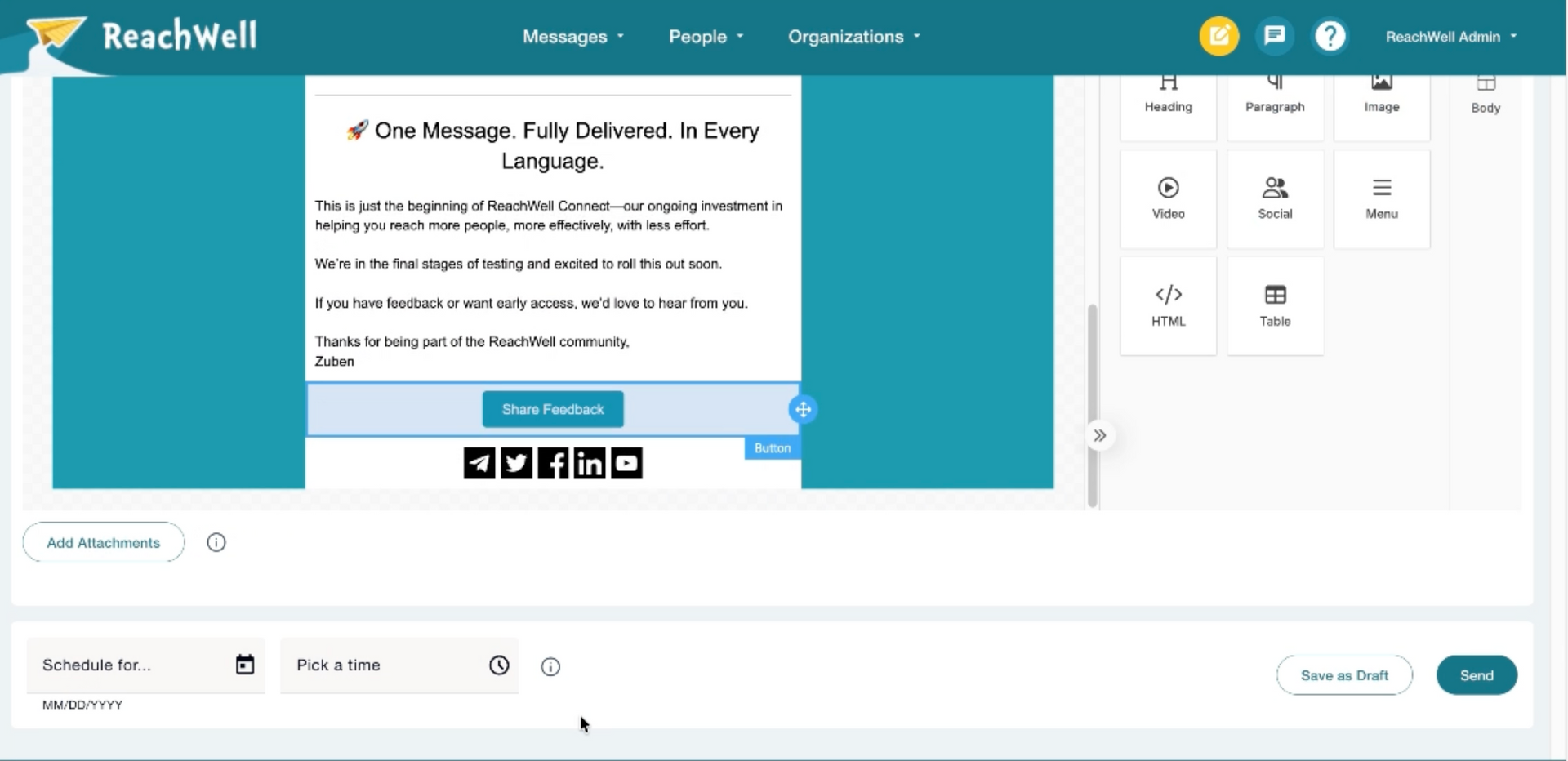
A major shift to communicate with your community—starting with a powerful transformation of our most-used tool: Announcements.
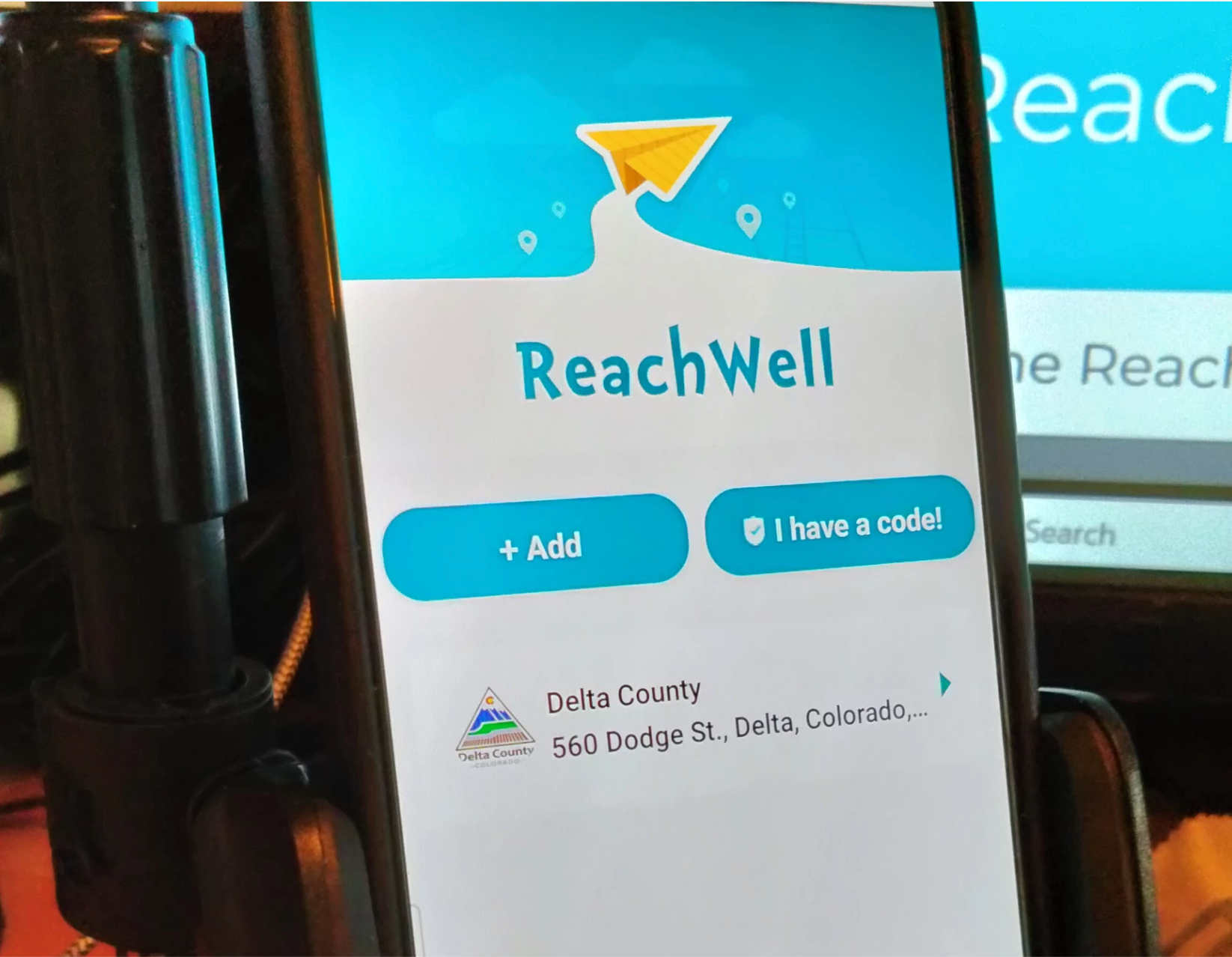
Delta County Launches New App to Strengthen Community Communication
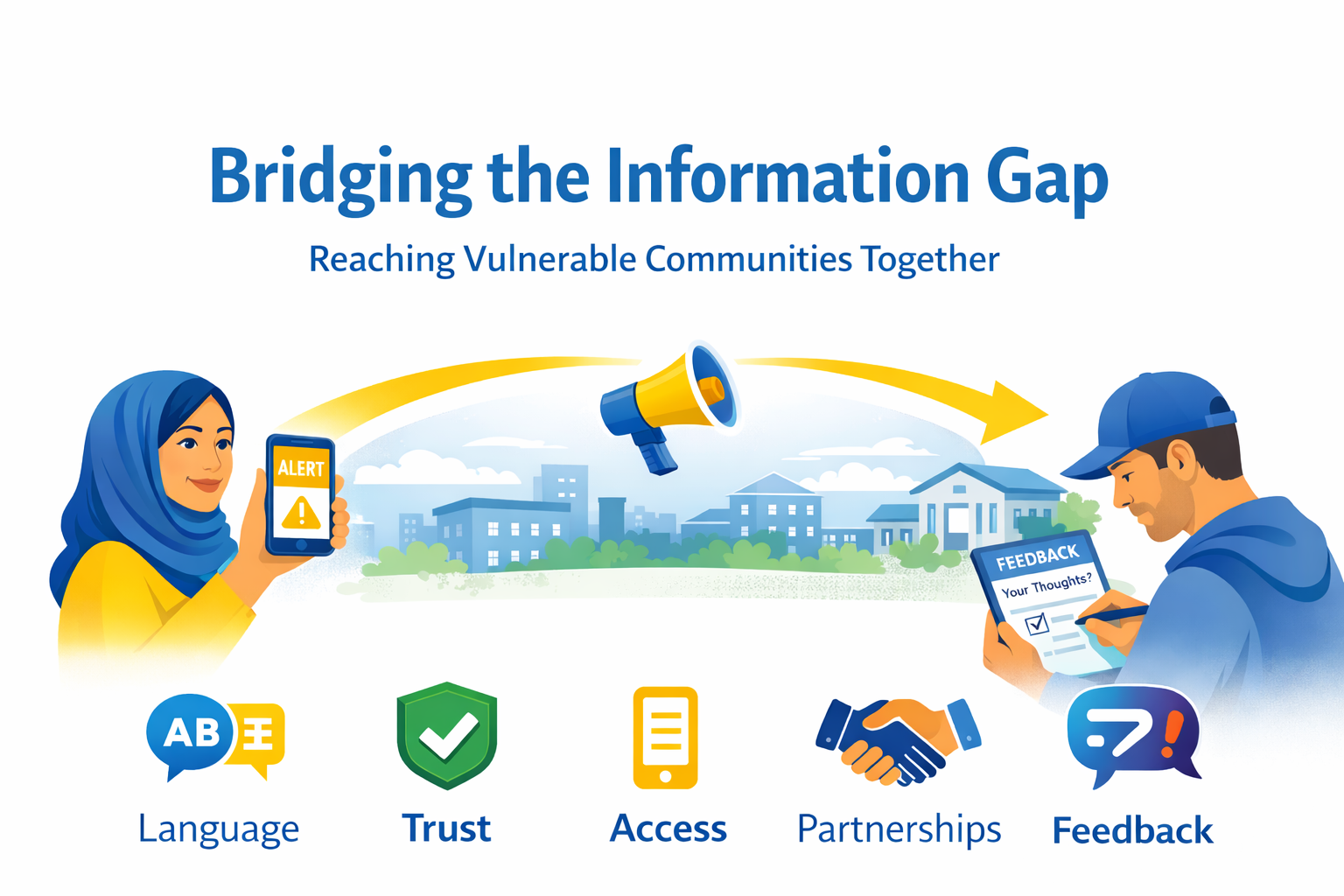
What inclusive communication looks like in practice
We’re excited to announce that Families In Schools (FIS) has launched Read LA! on the ReachWell app ! Read LA! will bring early literacy information and activities to families across Los Angeles through the app to equip parents and caregivers with the tools they need to support their children’s literacy at home and advocate for them at school. Powered by ReachWell, the app makes content available in over 130 languages and requires no personal information, reducing any barriers to entry. All content has been carefully curated to bring only the highest quality tools and information to LAUSD families, including activities that align to their schools reading instruction curriculum called CKLA. Currently, only 43% of Los Angeles third graders are reading at grade level— FIS and the Read LA! Coalition are committed to reversing this trend, ensuring that Los Angeles children can read and thrive. Our goal is to have 70% of LAUSD third graders reading proficiently by 2030. The Read LA! app—which follows our efforts to ensure good instruction in the classroom—will help us achieve this goal. “While improving classroom instruction is at the crux of improving reading outcomes for children, we know that engaging and equipping families to be strong partners in their children’s education is a powerful driver for literacy success,” said Yolie Flores, President & CEO of Families In Schools . “We’re excited to partner with ReachWell because we know families want access to information and guidance to ensure their children can read; they want to do everything in their power to help their children be successful in school and in life.” “That’s why Read LA! on the ReachWell app was built with input from our parent and caregiver focus groups, coalition, and Literacy Ambassadors to put trusted, curated early literacy resources directly into families’ hands,” said Olga Corona De La Cruz, Sr. Campaign Director of Read LA! . Watch this video by Olga to learn a little more about the app and how it helps our campaign. Zuben Bastani, CEO & Founder of ReachWell , has worked closely with FIS to bring Read LA! to families across Los Angeles and beyond. “Our mission at ReachWell is equitable community engagement,” said Bastani. “We designed the most accessible tool out there because everyone has a right to access information and resources easily. I know how critical Read LA! is in Los Angeles’ early literacy community, and we are so excited they have chosen to join ReachWell.” “Our instructional video makes it easy to download the app,” said Corona De La Cruz. “We want families of young children to have the literacy tools and information they need at their fingertips. Your child’s future starts now—download the app today!”

From crisis to connection: Carbondale’s story of rapid growth.
Why Communication Without Gaps Is the Future of Public Engagement
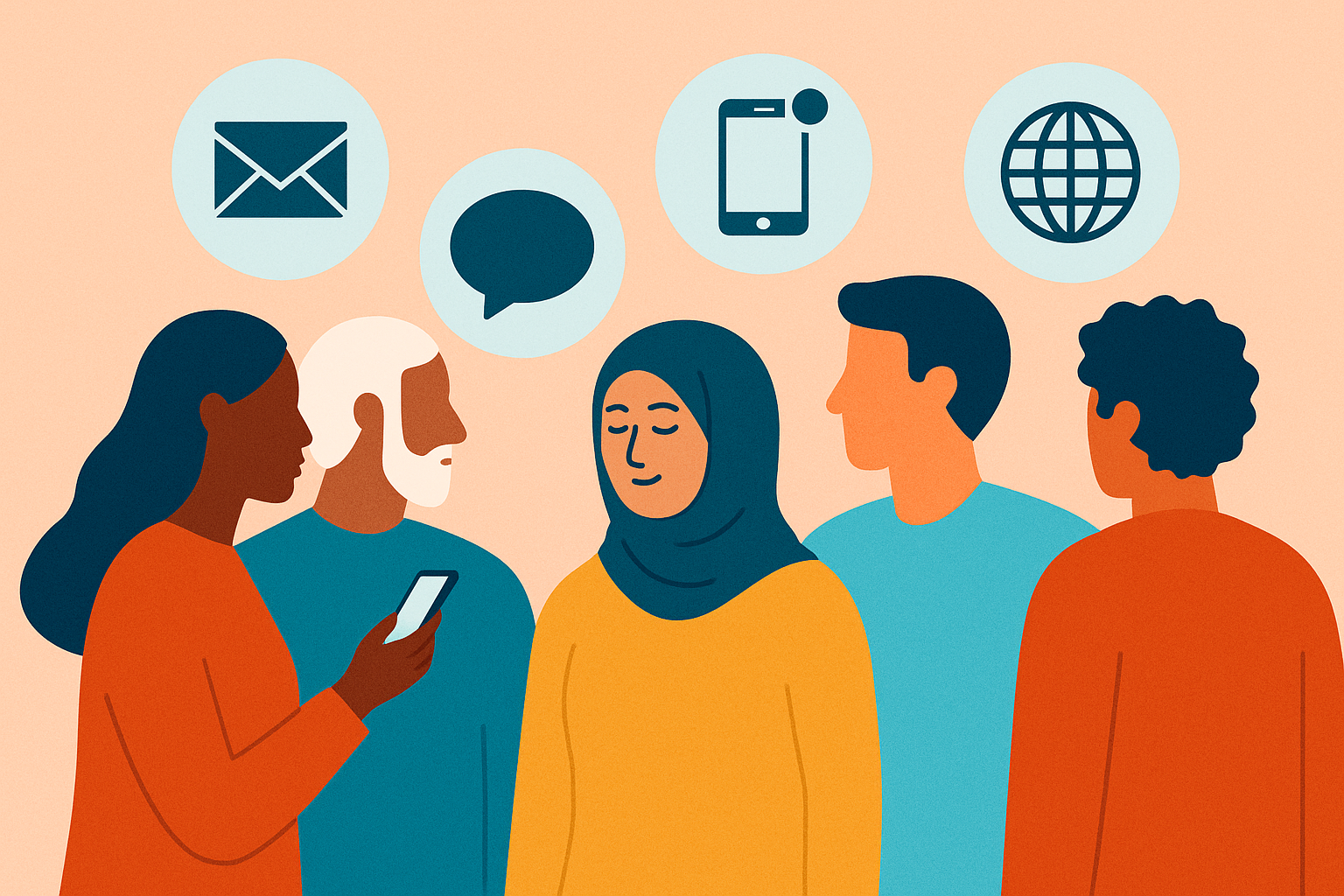
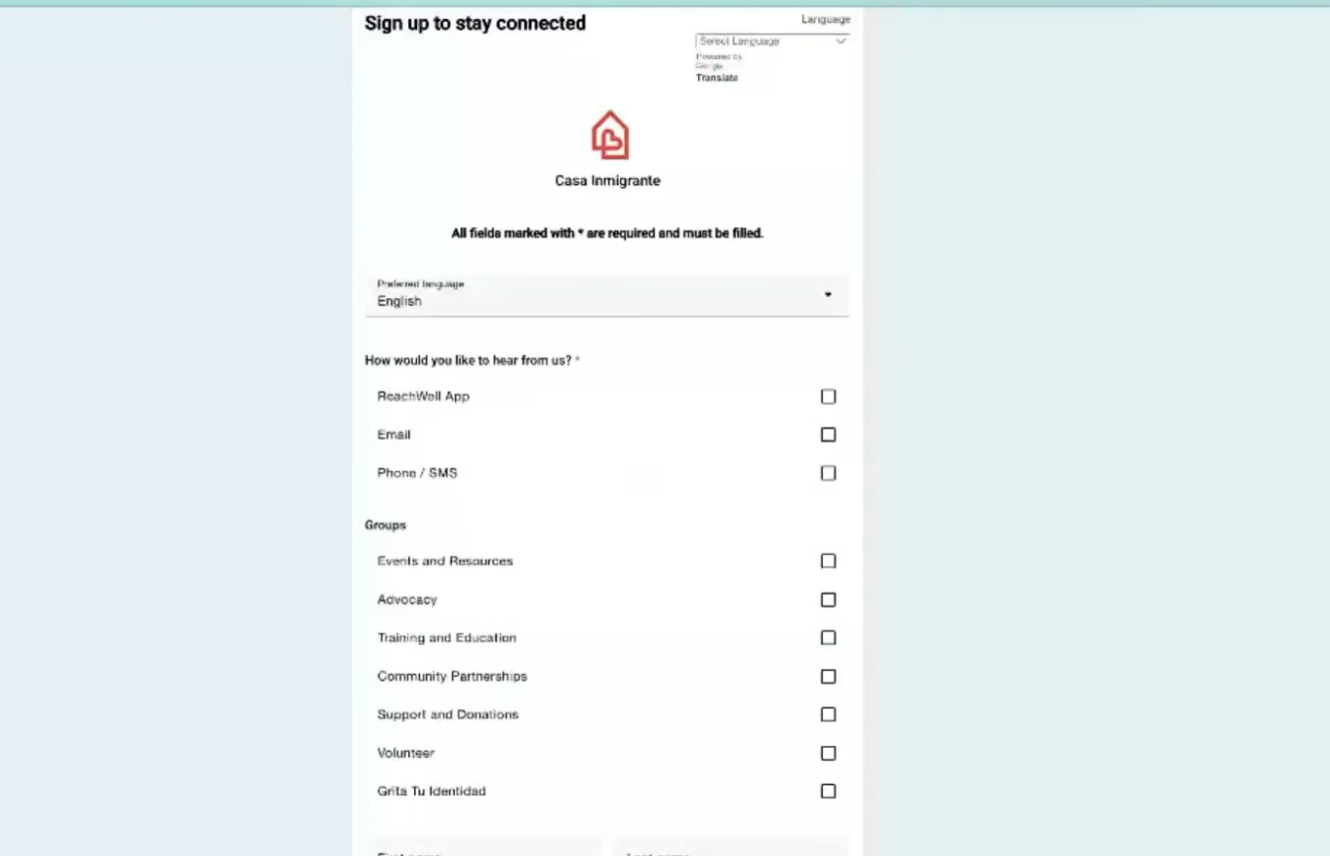
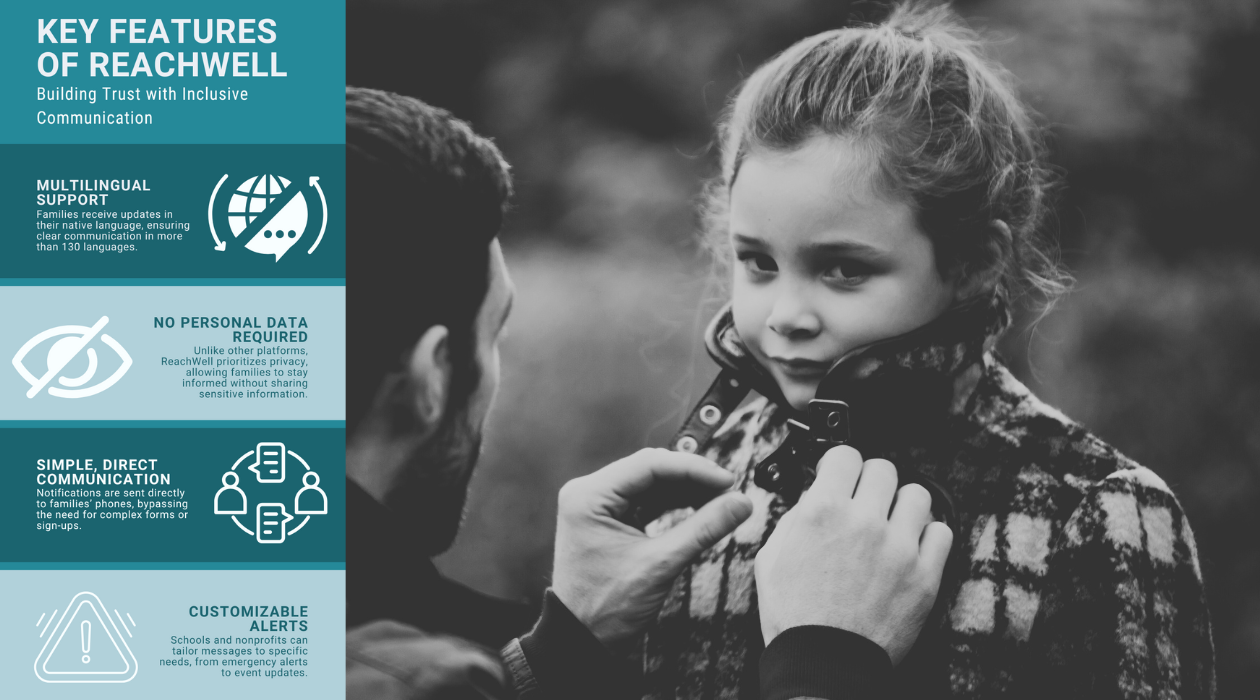
Government distrust is at an all-time high. Many residents are wary of sharing their personal information with public agencies, often due to fears of surveillance, spam, or data misuse. This hesitation is especially acute among low-income and unhoused individuals who frequently change phone numbers due to service lapses, making traditional outreach efforts ineffective. Most public communication systems fall short. They rely on platforms like Mailchimp or Constant Contact, which get lost in crowded inboxes. Social media, while pervasive, is designed to harvest data and push ads—not to protect user privacy. Even emergency alert systems often require residents to sign up and share their location, further eroding trust. Text messaging, often called the holy grail of communication, is no longer a guaranteed solution. People guard their phone numbers carefully, especially when interacting with the government. They fear being spammed or having their data sold. So how can agencies inform and protect the public without breaching their trust? A New Approach to Community Communication Using ReachWell's extensive experience and broad customer base, here are some recommendations to consider when engaging your community in a less intrusive yet more effective manner: Offer Communication Choices : Let residents decide how they want to receive information—whether it's through text, email, voice calls, app notifications, or a combination. This respects personal preferences and helps reduce message fatigue. Respect Anonymity : Not everyone wants to share personal contact details. Provide anonymous access to messages via public channels or apps that don’t require identifying information. Support Multilingual Access : Language should never be a barrier to safety or services. Translate messages into the primary languages spoken in your community, and consider text-to-speech options for low-literacy audiences. Allow Topic Subscription : Let people select specific topics or groups they care about. Targeted messages reduce noise and increase engagement. Minimize Data Collection : Collect only the data you truly need. Avoid tracking location or behavior unless absolutely necessary—and be transparent about what is collected and why. Ensure Accessibility : Meet or exceed accessibility standards (such as WCAG 2.2 AA compliance) so all residents, including those with disabilities, can access and understand public messages. These practices foster trust, improve message delivery, and help ensure no one is left out of important conversations—especially in moments of crisis or community need. Expanded Real-World Examples: Trusted by Diverse Communities El Paso County, CO (Colorado Springs area) uses ReachWell to distribute emergency alerts—including shelter-in-place orders and missing persons reports—in over 130 languages. Residents can receive alerts even without providing contact information. The Town of Carbondale, CO keeps its multilingual and low-literate residents informed of community events, social services, and public works projects using WCAG 2.2 AA-compliant messaging and text-to-speech capabilities—ensuring no one is left behind. Tucson, AZ : Child-Parent Centers, a Head Start provider, uses ReachWell to keep 500+ staff updated on safety alerts, training sessions, and HR notices across 130 languages—building internal trust through inclusive communication. Boulder County Housing Authority ensures ongoing connection with residents—even after their contact information changes—by sending updates about emergencies, upcoming maintenance, and resident services using ReachWell’s multilingual and anonymous outreach tools. Conclusion Building trust with residents starts with giving them control. When governments let people choose how they connect, what they receive, and in what language—trust grows. ReachWell is proving that communities can be kept safe and informed without sacrificing privacy or accessibility. When people don’t trust the system, it’s time to change the system. ReachWell is doing just that. BOOK A DEMO TODAY
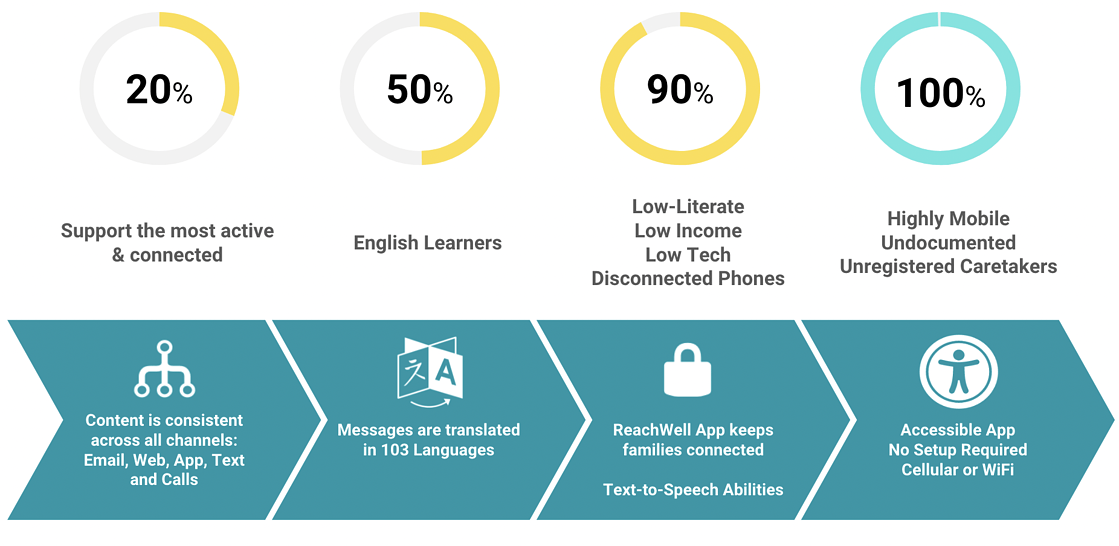
In order to maximize reach, we've applied the following approach to quickly connect all families.
How Technology Can Rebuild Community Trust